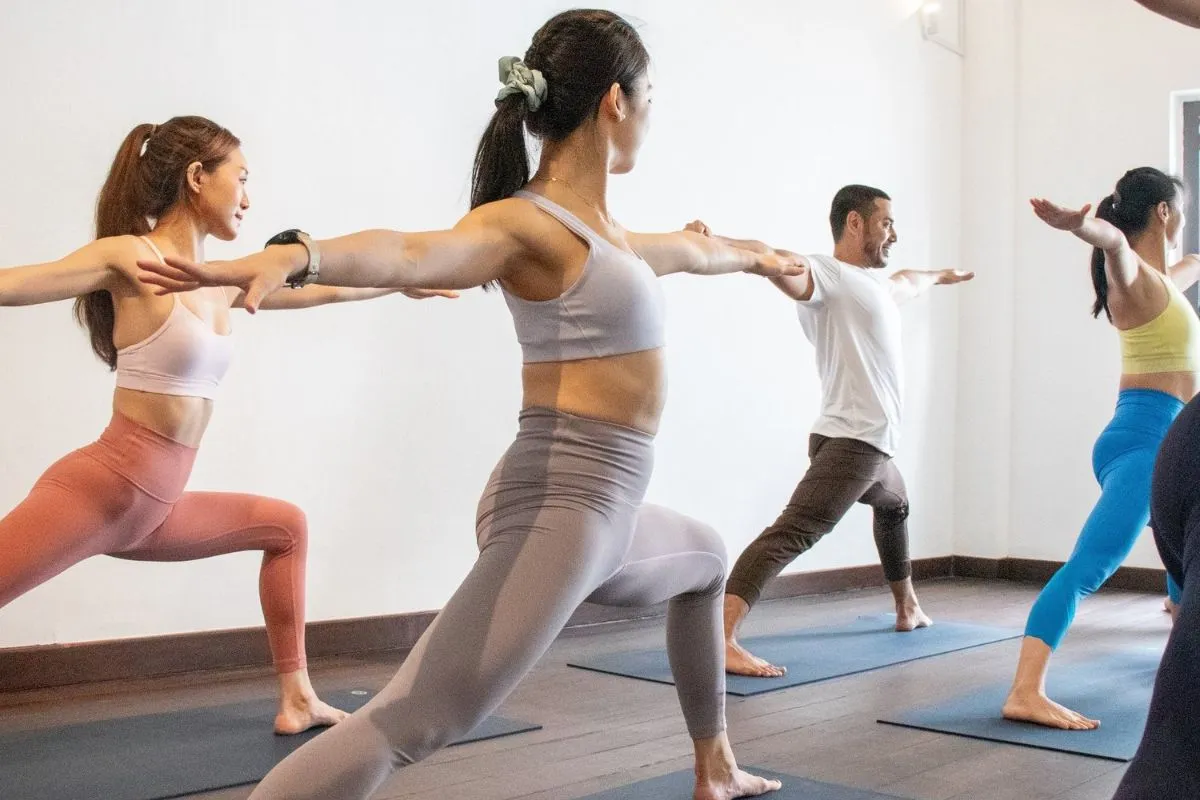
How Singapore’s Yoga Classes Are Adapting to Stress, Mobility, and Recovery Needs
The health needs of modern adults have changed. People are not only looking for exercise that burns energy. They also need movement that helps with stress, stiffness, poor posture, sleep quality, and recovery from long workdays. This is why yoga classes Singapore are becoming more relevant for people who want a complete wellness habit rather than another short-term fitness attempt.
In a fast-paced city environment, health routines must be practical. Adults need classes that fit schedules, support different body types, and respond to the physical problems created by modern life. Yoga can meet these needs because it offers strength, mobility, breathing, and rest in one practice.
The Shift From Fitness to Recovery
For years, fitness was often presented as a matter of intensity. People were encouraged to push harder, sweat more, and keep increasing performance. While intensity has value, many adults now realize that recovery is just as important.
A body that is stressed, stiff, and under-rested may not respond well to constant pressure. It may need controlled movement, breathwork, and nervous system regulation.
Yoga classes are adapting to this reality. Many students are no longer asking only, “How hard is the class?” They are asking, “Will this help my back feel better? Will I sleep better? Will I feel calmer? Can I do this consistently?”
Mobility for Desk-Based Lifestyles
Desk-based work creates predictable physical issues. The hips tighten, the shoulders round, the neck becomes tense, and the spine loses movement variety. Even people who exercise may still feel stiff if their routine does not address mobility.
Yoga classes can support mobility by moving the body through different ranges. Twists, lunges, forward folds, backbends, balances, and gentle transitions all help the body regain movement options.
This is especially useful for adults who spend much of the day in seated positions. A class gives the body a chance to move in ways that daily life does not provide.
Stress Is Now a Core Wellness Issue
Stress is no longer treated as a side concern. It affects sleep, appetite, breathing, posture, mood, and energy. Many people are physically present at work but mentally overloaded.
Yoga helps because it does not separate the mind from the body. Breath-led movement can calm the nervous system. Slower practices can help students release tension. Stronger practices can help release restlessness and improve focus.
The best class for stress is not always the easiest one. It is the one that helps the person feel more regulated afterward.
Recovery Classes Are Becoming More Important
Recovery-focused yoga styles are becoming more valuable for people who train hard, work long hours, travel often, or feel constantly tired. These classes may include slower movement, longer holds, supported poses, and deeper breathing.
Recovery does not mean weakness. It means giving the body time to adapt and repair. Without recovery, even healthy activities can become draining.
Yoga classes that include recovery options help students maintain a balanced routine instead of always choosing intensity.
Class Adaptability Matters
Modern yoga students have different needs. Some are new to movement. Some are returning after a long break. Some are active but stiff. Some are stressed and tired. Some want strength. Some want calm.
A good yoga class should allow modifications. Students should be able to adjust poses, use props, slow down, or rest when needed. This makes yoga more inclusive and sustainable.
Classes that force everyone into the same shape miss the point. The goal is better body awareness, not visual perfection.
Why Breathing Is a Health Skill
Breathing is often ignored until stress becomes obvious. Many adults breathe shallowly during work, while using screens, or when anxious. This can increase tension and fatigue.
Yoga classes teach students to observe the breath. They learn how breathing changes during effort and how to bring it back to a steadier rhythm. This skill is useful outside class.
A person who learns to regulate breath during yoga may use the same awareness during meetings, travel stress, or sleepless nights.
Consistency Over Fitness Trends
Trendy workouts often attract attention, but consistency creates results. Yoga classes can support consistency because they offer variety without losing structure.
A student may attend an active class one week and a slower recovery class the next. This flexibility helps people continue even when energy levels change.
For long-term health, a routine that adapts to life is more useful than one that only works during perfect weeks.
Choosing Classes Based on Real Needs
People should choose yoga classes based on what their body and mind actually need. A person with poor sleep may benefit from slower evening practice. Someone with desk stiffness may need mobility-focused classes. Someone who feels mentally restless may prefer a stronger but breath-led session.
The best yoga routine is not copied from someone else. It is built around personal needs, schedule, and energy.
For people seeking yoga that supports stress, mobility, and recovery in Singapore, Yoga Edition can be part of a practical wellness routine with class variety and guided movement.
FAQs
What should I do if I feel more emotional after a slow yoga class?
This can happen when the body finally slows down after a stressful period. Drink water, avoid rushing into heavy tasks, and give yourself time. If strong emotions continue regularly, consider speaking with a mental health professional.
Can yoga fit into a routine if I already go to the gym?
Yes. Many people use yoga on recovery days or after strength training days. It can help with mobility, breath control, and body awareness that gym workouts may not fully address.
Should I choose morning or evening yoga for stress?
Choose based on your stress pattern. If you wake up anxious, morning practice may help. If your stress builds during work, evening practice may be more useful.